Welcome to Trezor.io/start – Your Guide to Understanding Trezor Hardware Wallets
Trezor.io/start is the official introduction page for learning how Trezor hardware wallets work and how they help people protect digital assets. A Trezor device is a small piece of hardware designed to store cryptocurrency keys offline, which adds an extra layer of protection compared to keeping them on an internet-connected computer or phone. This page provides guidance, resources, and support for understanding the purpose of the device, its features, and the security principles behind it.
A Trezor wallet focuses on safety, control, and transparency. At its core, a hardware wallet stores the private keys that control digital coins. Private keys are long strings of data that act like secret passwords. Keeping these keys offline helps reduce the risk of hacking attempts, malware, or unauthorized access. Instead of relying on a website or app to manage private keys, a Trezor device keeps them isolated inside the hardware, where only the owner can access them.
One of the most important ideas introduced on Trezor.io/start is the concept of a recovery seed. This is a series of words generated by the device, used to back up and restore access to the wallet if something happens to the hardware. The recovery seed is extremely sensitive information, meaning it must be stored securely and privately. The Trezor website emphasizes responsible handling of these words, as anyone with access to the seed could control the associated digital assets. Because of the seriousness of securely managing these backups, young users should involve a trusted adult if they are learning about hardware wallets for educational purposes.
Trezor.io/start also explains how transparency builds trust. Trezor devices use open-source software, which means the code is publicly available for review. This allows independent experts to examine the security measures, identify potential improvements, and confirm that the device behaves as expected. Open-source development has helped establish Trezor as one of the most trusted names in hardware wallet technology.
Another key theme on the page is user awareness. Even though hardware wallets are considered highly secure, smart choices still matter. Trezor.io/start highlights topics such as recognizing official packaging, avoiding counterfeit devices, and understanding phishing risks. These lessons apply broadly to digital safety, not just crypto. Learning how to identify suspicious links, protect personal information, and use strong authentication practices benefits anyone exploring online security.
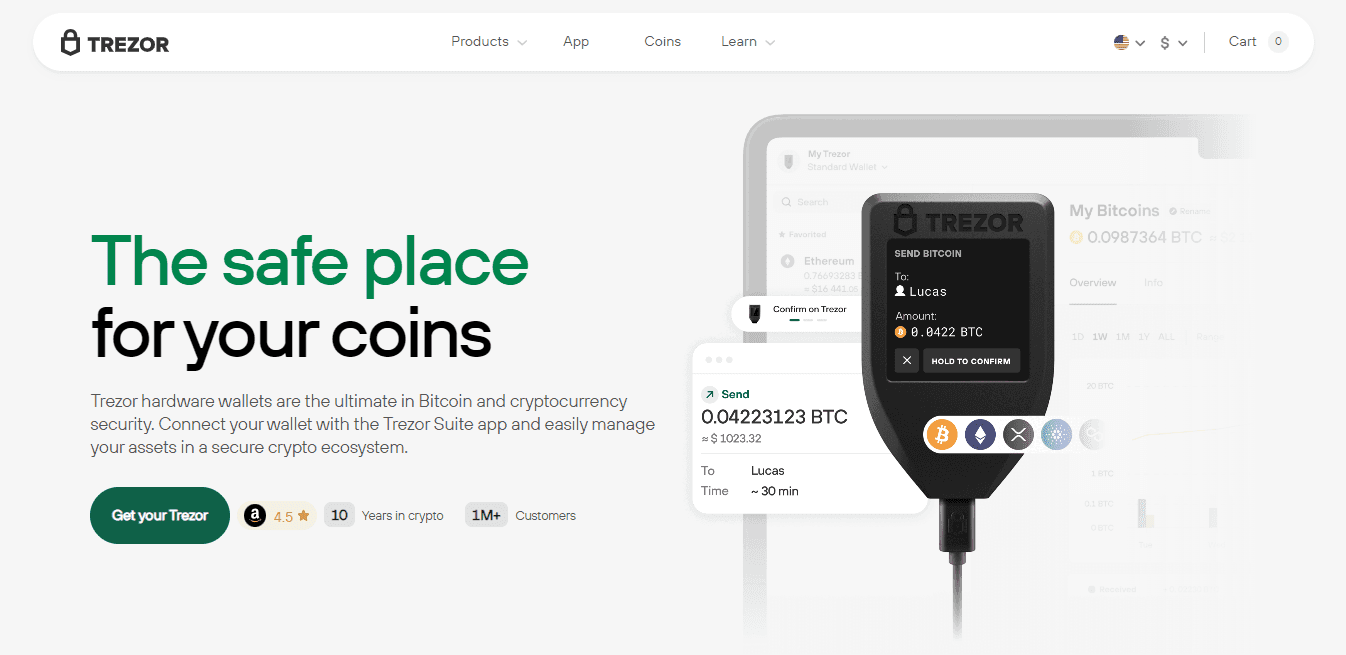
Additionally, the page introduces Trezor Suite, the official desktop application used to manage a Trezor device. It provides tools for tracking balances, viewing transaction history, and organizing assets. The interface is designed to be beginner-friendly, offering a clean layout and built-in security warnings. Teens exploring digital technology can learn from how Trezor Suite balances usability with protective features, but they should remember that using financial services often requires being an adult.
Overall, Trezor.io/start serves as a helpful educational resource for understanding how hardware wallets increase digital security. It explains core concepts, highlights best practices, and encourages users to stay aware and informed. Even if someone is simply curious about cybersecurity, the principles shared on this page—privacy, openness, and responsibility—offer valuable knowledge.